Your First Multi-Day Hiking Trip: How to Prepare
Choosing a route, training with a pack, what to carry, avoiding blisters and what to eat on the trail on your first multi-day hike.
We may earn a commission when you buy through links in this article. This does not affect our opinions or ratings. How we make money.
A day hike forgives a lot. If you pack badly or misjudge the distance, you are home by dinner. A multi-day hike is less kind: whatever you carry, wear and eat, you live with for days. The good news is that a first trip does not need to be extreme, and most problems can be solved before you leave home. That includes what you eat on the trail, where a small packable drink such as IM8 is one optional extra.
How do you choose a first route?
Pick something with a clear path, reliable water, and a way out if things go wrong. Two or three days is plenty for a first trip. Be careful with daily distances: 15 kilometres with a pack in hilly terrain can take far longer than the same walk on a flat day out. Hut-to-hut routes, or trails with campsites and villages, are a good way to start because you carry less and have a fallback.
How fit do you need to be?
You do not need to be an athlete, but you do need practice at the specific thing you will be doing: walking for hours with a load. In the two months before your trip, build up to longer walks at weekends, then start carrying your actual pack with a realistic weight. Include some hills and, if you can, two walks on back-to-back days. That second day teaches you much more than the first one.
Stairs, step-ups and lunges help too, especially for the downhill sections that are so hard on the knees and thighs.
What should you pack, and how heavy should it be?
A common guideline is to keep your loaded pack to about 20 percent of your body weight, though lighter is better if you can manage it. Weigh it at home. Most beginners take too many clothes and too much "just in case" gear.
- Navigation: an offline map on your phone, and a paper map and compass if the route calls for it.
- Weather: a waterproof jacket, a warm layer and a hat, even in summer.
- Safety: a first aid kit, blister plasters, head torch, whistle and a power bank.
- Water: bottles or a bladder, and a filter or tablets if you will be refilling from streams.
- Sleep: a tent, sleeping bag and mat, if you are camping, all tested at home first.
How do you avoid blisters?
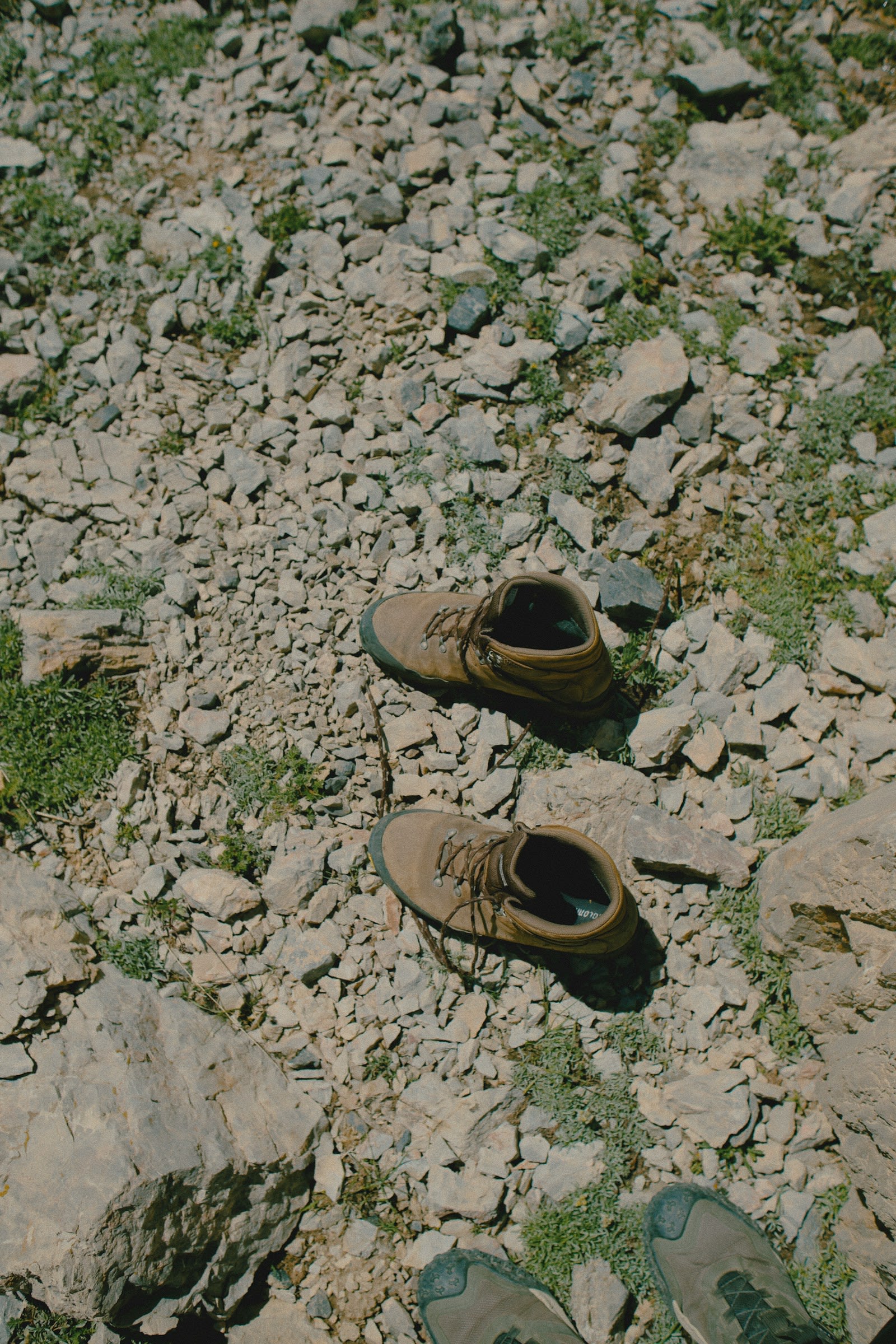
Never start a long hike in new boots. Wear them on several walks first, with the socks you plan to use. Keep your feet dry, change socks at lunchtime if you can, and act at the first sign of a hot spot rather than waiting. Thirty seconds to put on a plaster can spare you two painful days.
What should you eat on the trail?
You will burn far more energy than usual, and carrying food means weight matters. Choose calorie-dense, lightweight food: oats, nuts, dried fruit, couscous, noodles and hard cheese for the first day or two. Eat small amounts often instead of waiting for one big stop, and always carry a spare meal. For water, around half a litre per hour is a rough starting point in mild weather, and more when it is hot or steep.
Some hikers also like to keep their usual daily drink on the trail. A single-serve powder is easy to pack. One option is IM8 Daily Ultimate Essentials Pro, which lists 90 ingredients per serving. It is not a meal and will not replace the calories you need out there, so plan your food first and treat any supplement as optional. If you take medication or have a health condition, ask your doctor before starting one, and try it at home rather than on day one of the hike.
Staying safe
Tell someone your route and when you expect to be back, and check in when you are done. Check the forecast right up to the day you leave, and be willing to change your plan. Mountain weather can turn quickly, and turning back is never a failure. Know where the exit points are and do not rely entirely on phone signal.
What to do at the end of each day
Stop before you are exhausted. Get out of damp clothes, eat something straight away, then look after your feet. Air them, check for hot spots and sort out any problems before you sleep. Pack most of your bag the night before, so the morning is simple. If you brought single servings of IM8 or anything similar, keep them with your breakfast so that you do not need to dig through your pack.
The first night in a tent is rarely your best sleep, and that is normal. By the second evening, with tired legs and a hot meal, most people start to understand why anyone does this. Keep your first trip modest and you will probably be planning the next one before you get home.